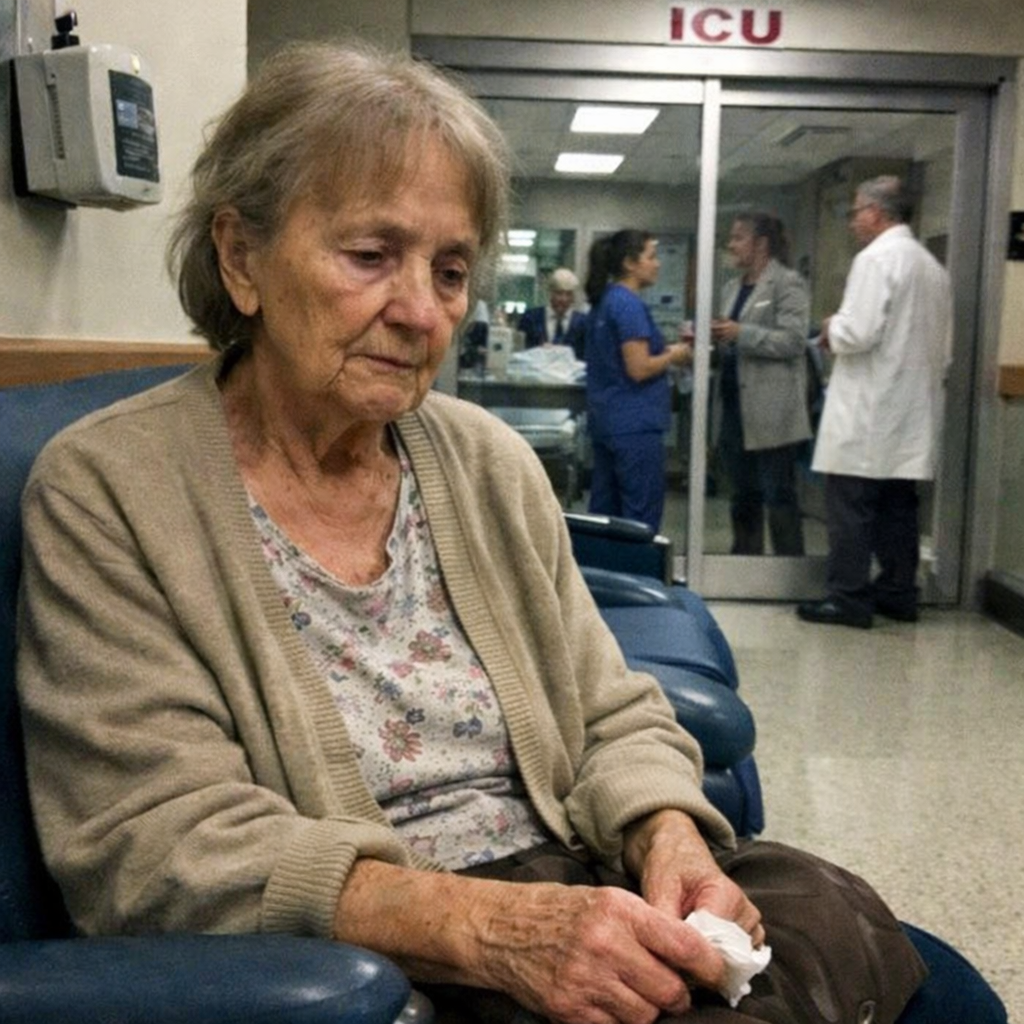
The nurse stopped me outside the ICU doors and spoke softly, the way people do when they think kindness cancels the words. She glanced at the clipboard and said, “We need to speak with immediate family only.” Two nurses and a young resident stood close enough to hear, and no one looked at me after that.
My nephew was behind the glass, pale and still, and I kept my hands folded so they would not shake. A woman I recognized from his childhood stepped forward and was welcomed in without question. I nodded once and stepped back, as if that was where I had always belonged.
I sat in the hallway chair beneath a flickering light and listened to the machines hum. Someone asked who I was, and before I could answer, another voice said, “She’s just his aunt.” The word just stayed with me longer than the wait.
I raised him after his parents disappeared into their own failures and never came back. I was forty-two when I took him in, tired already, but there was room in my life for one more need. I never called myself his mother, but I packed his lunches and stitched his coats all the same.
Money was always thin, and I learned early how to stretch it without complaint. I skipped checkups and new shoes so he could play sports and take field trips. I told myself this was what adults did, and that it was enough.
When the doctor came out, his voice was urgent but measured, the practiced calm of bad news delivered often. They said there had been a sudden complication, and surgery could not wait. The family gathered close, and I stood just outside the circle.
Someone asked about insurance, and the answer did not settle anything. I felt the familiar tightening in my chest, the quiet math starting in my head. I said I could cover it, and the words surprised even me.
No one stopped me when I followed the billing clerk down the hall. I signed where they pointed and transferred the savings I had kept for my last years. There were no conditions, because I did not know how to attach them.
The surgery took hours, and I counted them by the sound of carts rolling past. I prayed without words and waited without hope, because hope felt like asking too much. When they said he would live, I let my shoulders drop for the first time that day.
After that, things shifted in small ways that were easy to miss. Conversations lowered when I approached, then stopped. Decisions were announced, not discussed, and always after they had already been made.
During a recovery briefing, a nurse smiled at me and said they would explain everything to his parents later. I corrected her gently, and she apologized, but the apology did not change the room. The others stood closer together, and I stood alone.
I did not argue because I understood the rules had changed. I watched his face when he woke, grateful and confused, and I told him to rest. He squeezed my hand once, then let go when someone else came near.
The day they planned his discharge, I was not invited into the meeting. I waited by the window and watched families leave with balloons and papers. When they passed me in the hall, they thanked me politely, the way people thank a neighbor for holding a door.
I went home to the quiet apartment I had kept simple for years. The pain in my knees felt sharper without distraction, and the silence pressed in. I made soup for one and put the extra bowl back in the cabinet.
Weeks passed, and I heard about his recovery through others. He was comfortable, they said, and surrounded by care. I was glad for that, even as my own days grew smaller.
Then a letter came from a law office I did not recognize. They asked me to confirm a payment and a signature tied to the surgery. The language was careful, and the tone assumed I would understand more than they explained.
At the bank, a young man reviewed the transfer and frowned. He told me the account had been flagged because the funds were linked to a medical lien and a power of attorney filed days before the surgery. My name was on the payment, but my authority was not.
I sat very still as the truth settled in. The papers had been prepared in advance, assigning responsibility without rights. Someone had planned for my money and planned around me.
The lawyer explained my options without urgency or pity. Because the payment came from my account without proper authorization, I could reclaim it or redirect it. The law did not ask me how I felt, only what I chose.
I chose quietly and without anger. The funds were returned to an account set aside for my care, protected this time by clear terms. I did not ask for apologies, because they would have come too late.
They called when they realized what had changed. The messages were careful at first, then confused, then strained. I listened to none of them, because listening was no longer required.
I thought about the years I had spent making room for others and the cost of doing it without limits. I did not feel bitterness, only a tired clarity. Some distances protect more than walls ever could.
On a calm afternoon, I closed the door of my apartment and locked it from the inside. I made tea and sat by the window, watching the street move on without me. For the first time in a long while, I felt finished in the best possible way.