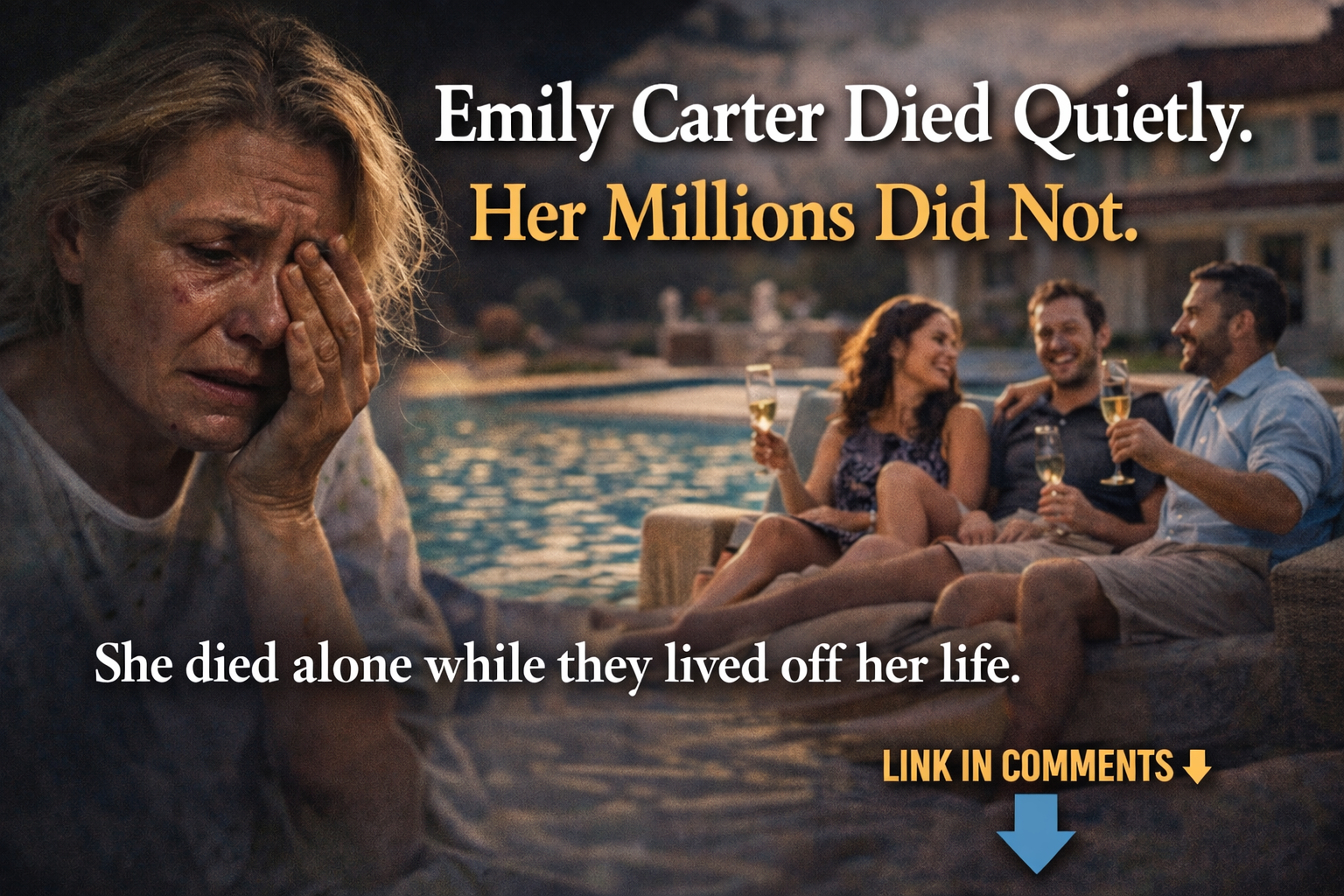
Emily Carter brought millions into a marriage where she would later beg for basic care, lose control of her own body while others enjoyed her money, lie awake in hospital beds listening to machines breathe for her while her husband chose meetings over her fear, and slowly realize that the people living off her wealth were already practicing life without her long before the doctors admitted they could no longer save her.
Emily was not careless with her money. She was thoughtful, cautious, and independent long before she met Daniel Carter. Her wealth came from inheritance and smart investments, not luck. When she married Daniel, she did not flaunt it. She shared it quietly, believing marriage meant building something together.
Daniel’s family admired her immediately. They spoke kindly. They praised her humility. They talked often about how fortunate Daniel was. At the time, Emily believed it was love.
Two years into the marriage, her health began to change.
At first, it was small things. Constant exhaustion. Tingling in her hands. Moments when her legs felt unreliable. Doctors ordered tests, then more tests. Eventually, a neurologist sat across from her and spoke gently. It was a degenerative neurological disease. There was no cure. Treatment could slow it, manage symptoms, but it would continue.
“It won’t be fast,” the doctor said. “But it will be hard.”
Emily listened carefully. Daniel nodded and squeezed her hand. He promised they would handle it together.
They didn’t.
As Emily lost strength, she also lost independence. Writing checks became difficult. Driving was no longer safe. Standing for long periods exhausted her. Daniel offered to take over her finances to help. She agreed, relieved to trust someone she loved.
That trust became control.
Her accounts were consolidated. Decisions were made without her input. Her properties were managed in ways she was informed about after the fact. When she asked questions, she was told not to worry. When she pushed back, she was reminded of how much stress Daniel was under.
Meanwhile, the family’s lifestyle improved. A larger house. Better cars. Expensive renovations. Gatherings filled with laughter and guests. Emily was rarely present. Her illness made her inconvenient, and inconvenience was quietly removed.
Her pain was constant by then. Sharp some days, dull on others, but never gone. She asked for stronger medication and was told to wait. She requested a full-time nurse and was told it was unnecessary. Appointments were postponed. Her suffering was managed just enough to keep things functional.
Her parents lived far away. They called, they checked in, but they believed Daniel was caring for her. They did not see how alone she had become.
Years passed.
Emily lost the ability to walk. Feeding herself became difficult. Her body weakened, but her mind stayed painfully clear. She noticed everything. The new clothes. The vacations he took without her. The way conversations stopped when she entered a room.
One night in the hospital, after hours of pain she could not control, she asked Daniel to stay with her.
“I’m scared,” she said quietly. “Please don’t leave tonight.”
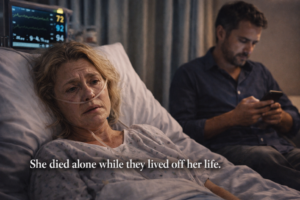
Daniel looked at his phone and sighed. He told her he had an early morning and that she was in good hands. He kissed her forehead and left.
She cried silently until exhaustion took over.
Doctors tried everything they reasonably could. New medications. Experimental therapies. Aggressive treatment plans. Emily endured it all without complaint. Infection followed infection. Her lungs weakened. Breathing became labor.
During one hospital stay, a doctor explained gently that the disease was now progressing more rapidly. Emily listened and nodded.
“My body is leaving,” she said later to a nurse. “But I’m still here. That’s the cruel part.”
Visits became rare. Daniel’s family came once or twice, stayed briefly, spoke in low voices. In the hallway, Emily overheard Daniel’s mother say it was better this way, that at least it wouldn’t drag on forever.
That sentence settled something inside her.
From her hospital bed, Emily began preparing quietly. With the help of a social worker and a lawyer who listened, she reviewed documents in short sessions. Some days, she could barely hold the pen. Other days, the pain forced her to stop altogether.
When asked why she was doing this, she said softly, “They already live like I’m gone.”
She redirected everything.
Her trust funds. Her properties. Her investments are worth millions.
She gave them to hospitals, medical research programs, disability care centers, and women who had been abandoned when they became inconvenient. She did not do it out of anger. She did it with clarity.
On her final night, a doctor sat beside her and said they had done everything possible.
Emily smiled faintly. “I know,” she whispered. “So did I.”
She died before morning.
After the funeral, Daniel and his family gathered to discuss what came next. They were calm, confident, and already planning their next move. When the lawyer explained the situation, the room went silent.
There was nothing left.
Every dollar had been donated. Every property transferred. Every account is closed.
The house was sold within a year. Debts surfaced. Cars were repossessed. Friends disappeared when the money did. Daniel returned to a life smaller than the one he had before Emily, stripped of comfort and protection.
Only then did regret appear.
Not for her suffering.
Not for her loneliness.
But for what they lost.
Emily never fought them openly. She never exposed them publicly. She never demanded love; she knew she would not receive.
She simply refused to let her death reward indifference.
Do you think justice still matters when it arrives only after someone is gone?
Written by KR Raja